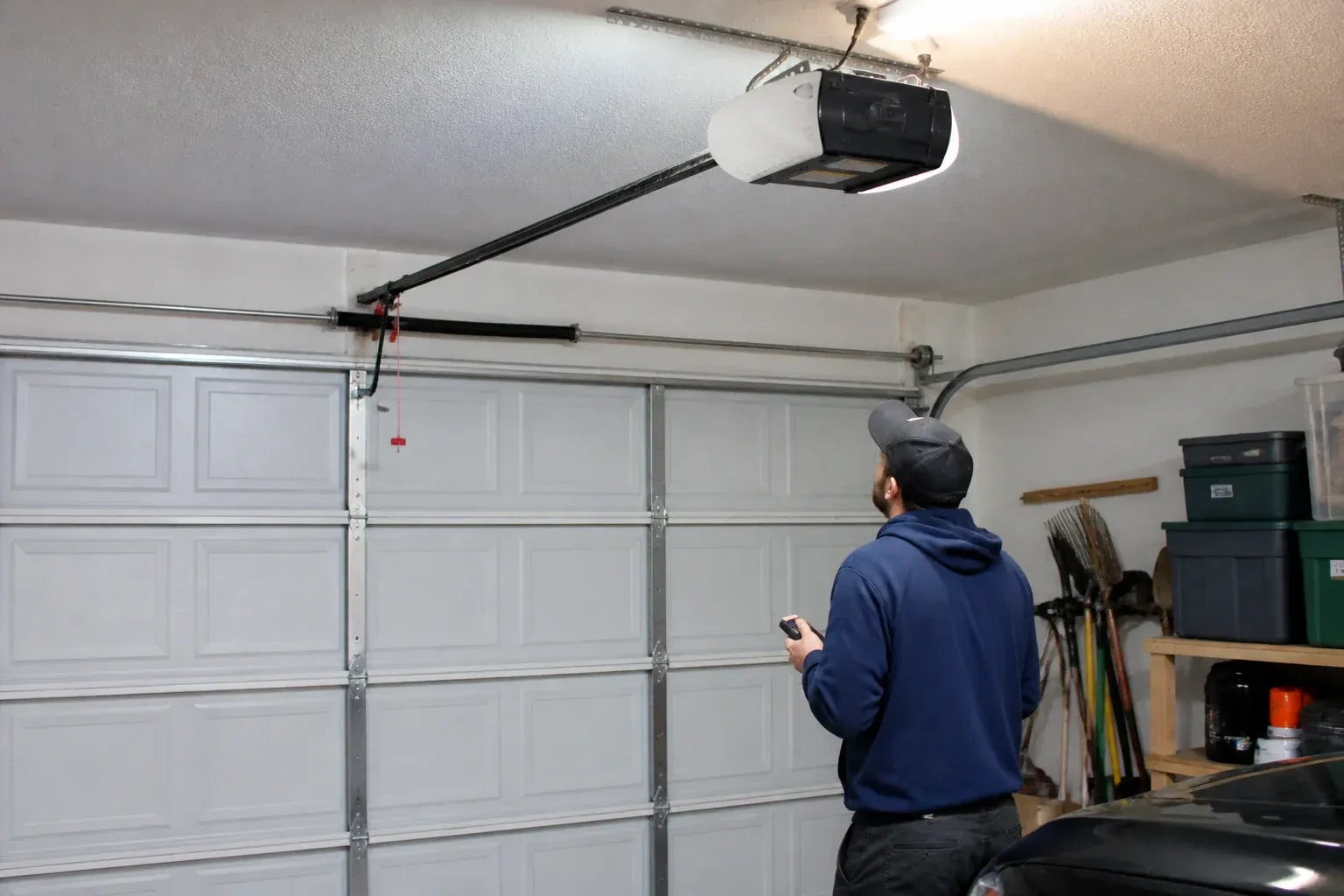
Book soon Openers · Newmarket
Garage Door Opener Diagnosis and Repair
It is a January morning and the door lifts about a hand's width, groans, and settles back down. When you pull the release and try by hand the door feels far heavier than it used to, and the bottom seal is stuck hard to the slab.
Call now · open 24/7(289) 803-9939Right now
Before the door is looked at
Call (289) 803-9939, open 24/7.
Pull the release with the door fully closed whenever possible, and keep the opening clear as you do. Once the trolley lets go, the door is held by its springs alone, and a closed door can still shift unexpectedly.
Never drive a vehicle at a closed door to get out; the door collapses and the stored tension in the counterbalance is released. Use the release, the outside key release, or a technician.
In freezing weather, check that the bottom seal has released from the slab before using the opener; a door frozen to the floor is the most common winter route to slack cables and a crooked door.
In plain words
Most openers built in the last fifteen years report their own trouble. When something is wrong the head unit blinks its lights in a count, an up arrow and a down arrow flashing in a pattern, or a status light repeating a number. Each pattern has a meaning on the maker's chart for that model: a sensor circuit open, no motor movement detected, too much force needed to close. The technician reads the pattern, checks it against the model, and confirms it with a hands-on test rather than trusting the light alone. Older units without codes are diagnosed by ear, by meter and by hand.
How the visit goesThe wall button works every time. The remote only works if you are practically under the door; from the end of the driveway it does nothing at all. It started around the time you changed the bulbs in the opener to LEDs.
Garage Door Opener Diagnosis and Repair · Newmarket
How the visit goes
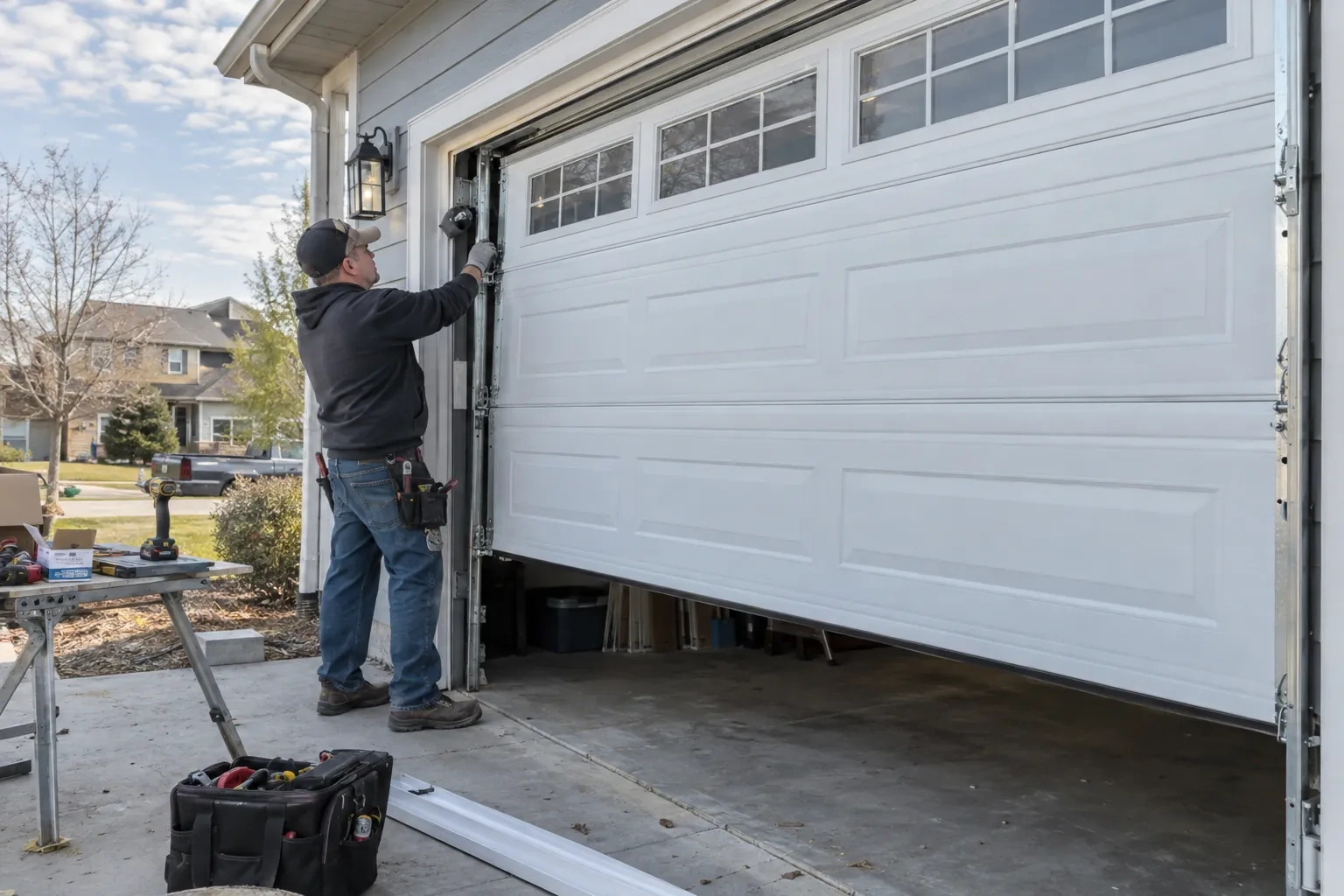
- 1
The story before the tools
Diagnosis begins with what you saw and heard. When did the door last behave, and what changed between then and now: a power outage, a storm, a new light bulb, a shovel leaning against the sensor, someone pulling the red cord? Does the motor hum, click, run or stay silent? Does the fault follow one control or all of them? Is the door stranded up or stranded down, and does it move at all by hand? A few minutes of this on the phone or at the door points the technician at one part of the system instead of all of it, and often shortens the visit considerably.
- 2
When replacement is the honest answer
Sometimes the diagnosis points past repair. A head unit from before photo eyes were standard, a board no longer manufactured, a motor burnt out in a housing whose gear train is also worn, or a chain-drive unit that has already had two gear kits are all cases where replacing the opener serves you better than another patch. The technician sets out what was found, why repair is a poor fit, and what a modern unit offers: a belt or direct drive for quiet, battery backup for outages, and the safety features the standard requires. The choice remains yours, and the door is left safe in the meantime.
- 3
Knowing the red handle
The red cord hanging from the rail is the emergency release, and you now know how to use it properly. Pull it only when the door is closed, so a door that turns out to be unbalanced has nowhere to fall. The door then lifts by hand, useful during an outage. To reconnect, most units re-latch when the opener is run and the trolley meets the carriage, or when the door is lifted until it clicks. The handle should hang no higher than about 1.8 metres and clear of the car. If the door feels heavy when released, that is a spring message, not a test of strength.
In the van
- Start capacitor
- Wall control
- Logic board or receiver
- Drive gear and sprocket kit
- Transformer and board fuse
What affects the quote
- 1
Distance to your door
Travel is part of the visit. An address across town and a rural property at the end of a concession road involve different driving, and the quote reflects the trip.
- 2
Getting in when the door is stuck shut
A garage with no side door and no house connection means working the release from outside before any test can begin, and the quote includes that entry step.
- 3
Connected features
A unit with a network module, door-position sensor or hub may need its pairing restored or a module replaced, which is quoted as its own step alongside the mechanical repair.
Same fees day, night or weekend.
Garage Door Opener Diagnosis and Repair: questions
What is the balance test, and is it something I can do?
Yes, with care. Close the door, pull the red release handle, and lift the door by hand, keeping fingers away from the panel joints. It should rise easily and stay where you leave it around waist to shoulder height. A door that drops, shoots up, or feels heavy has a spring problem and should not be run with the opener until a technician has seen it. Reconnect by running the opener or lifting until the trolley clicks in.
Will the repair happen during the same visit?
When the cause is a common part carried on the truck, yes: capacitors, gear kits, sensor pairs, trolleys, wall controls, remotes and wiring are typical. When the part is specific to an older model and has to be ordered, or when the diagnosis finds a spring or cable problem that needs its own appointment, the door is left safe and the next step is agreed with you before the technician leaves.
How long does a diagnosis visit take?
The checks themselves run in a set order and take a modest part of an hour on most doors. What extends a visit is the repair that follows: a gear kit or capacitor adds a little, a sensor re-wire or a trolley change adds more, and a door-side problem such as a balance fault may mean a second piece of work. You are told where things stand once the cause is found, before any further work begins.
Openers & Access
Bigger photo, sooner job: Emergency Book soon Plan ahead
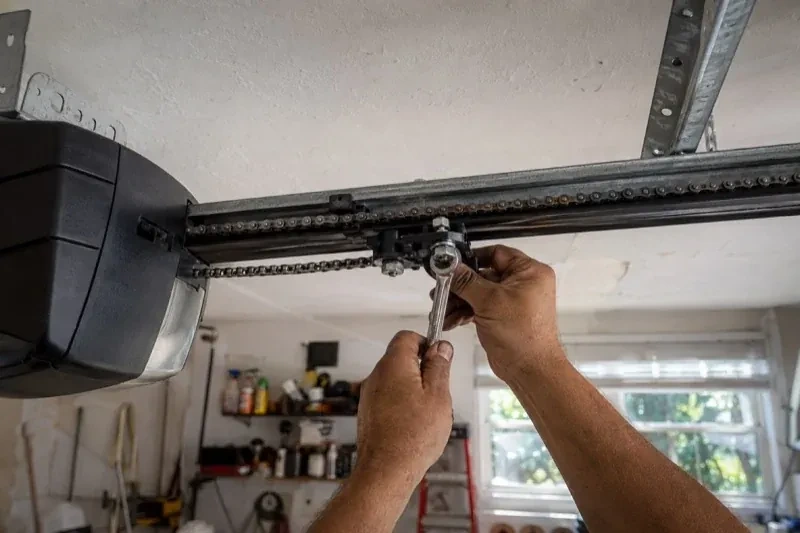 Book soonChain-Drive Opener RepairThe door closes, touches the floor, then climbs straight back up as if it hit something.
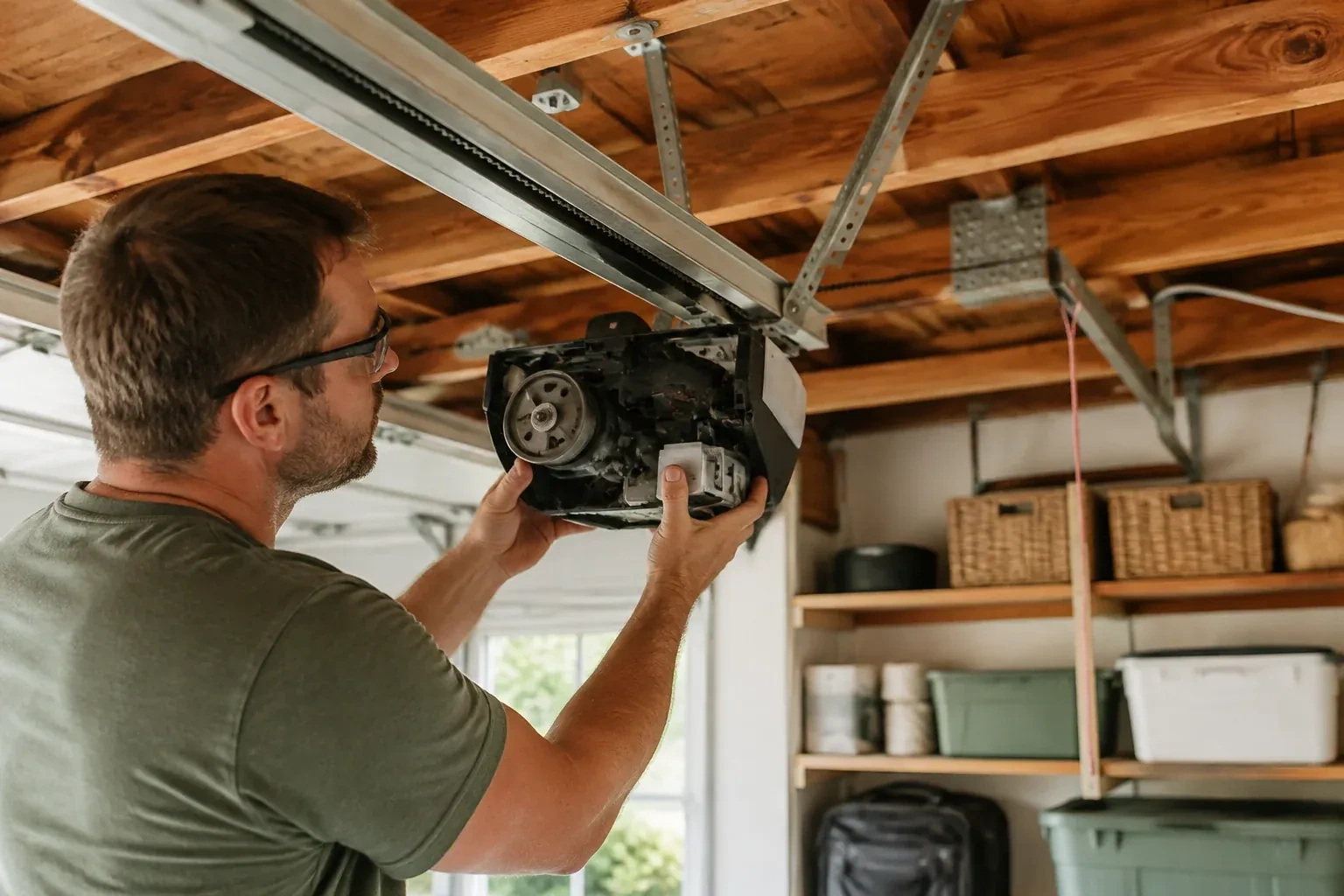 Book soonBelt-Drive Opener RepairPress the remote and the motor runs its full cycle, lights on, the usual whir, but the door does not move a centimetre.
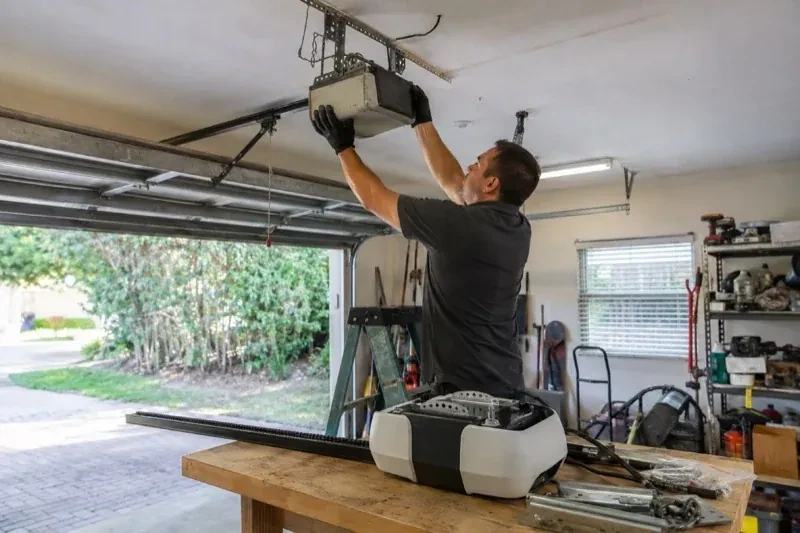 Plan aheadGarage Door Opener Replacement
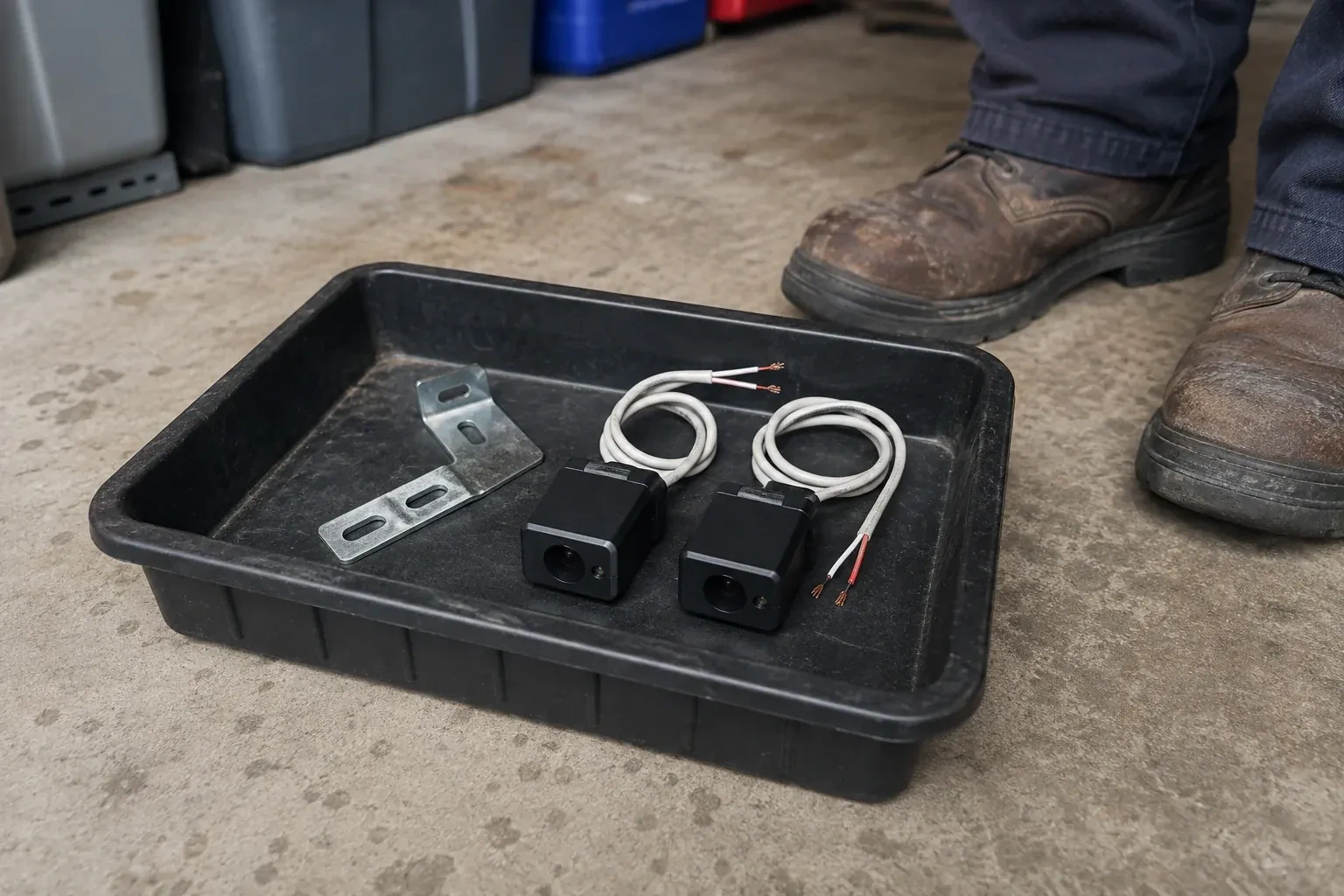 Book soonPhoto-Eye Sensor Alignment or ReplacementThe small light on one of the sensors near the floor has gone dark, or it flickers when someone walks past the track.
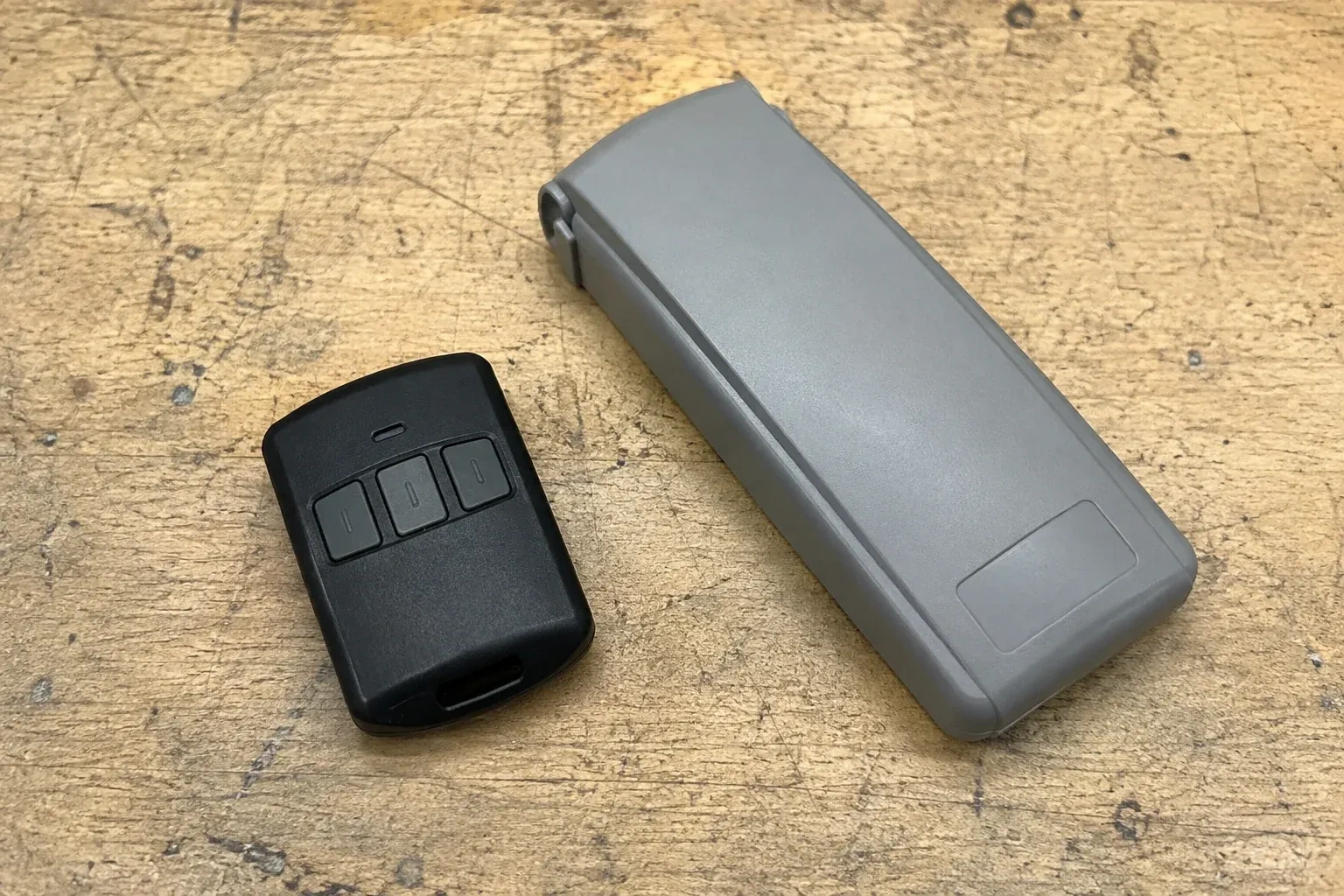 Plan aheadGarage Door Remote and Keypad Programming
Garage Door Opener Diagnosis and Repair near you
York, Ontario
Newmarket information
- Town
- Newmarket, York, Ontario
- In business
- 28 years
- Hours
- Open 24/7 · nights, weekends and holidays, same fees
- Phone
- (289) 803-9939
- Visits
- On-site assessment preferred. Request a visit or call.
What the census means at the door
30%
Newer homes. About 30% of homes in Newmarket were built in 1980 or earlier, according to the 2021 Census.
Newer doors are built to tighter tolerances, so a small bend in a track or a loose bracket shows up sooner as a rub or a shudder. Regular tune-ups keep everything aligned and catch the wear on rollers and hinges before it affects the panels.
60%
A mix of homes. Single-detached houses make up about 60% of homes in Newmarket (2021 Census).
Mixed housing often means mixed access too: individual remotes and keypads on the houses, building fobs and shared gates on the condos. We program, clear and replace all of these, and keep property managers in the loop where a door serves more than one household.
Nearby
Open 24/7
Request a visit
It is a January morning and the door lifts about a hand's width, groans, and settles back down.
Call now · open 24/7(289) 803-9939- On-site assessment preferred
- Same fees day, night or weekend
- 28 years in business